A Living Corridor of Coastal Wildlife
Florida's Treasure Coast — spanning Indian River, St. Lucie, and Martin counties — sits at a remarkable ecological crossroads. Here, the temperate ecosystems of North America overlap with the subtropical habitats of the Caribbean, creating conditions that support an extraordinary range of species. The Indian River Lagoon, which runs the length of the region, is recognized as the most biologically diverse estuary in North America, home to more than 4,300 species of plants and animals.
Above the waterline, barrier islands provide critical nesting habitat for sea turtles and shorebirds. Mangrove forests shelter juvenile fish and roosting wading birds. Ospreys hunt from wooden channel markers, brown pelicans patrol the surf line, and roseate spoonbills wade through shallow impoundments. Beneath the surface, manatees graze on seagrass meadows that sustain entire food webs.
This section of The Mangrove is your field guide to the wildlife of the Treasure Coast. Whether you are a birder, a paddler, a student, or simply someone who cares about these creatures and the habitats they depend on, you will find detailed, well-sourced guides to the species that define this coastal region.
Featured Species Guides
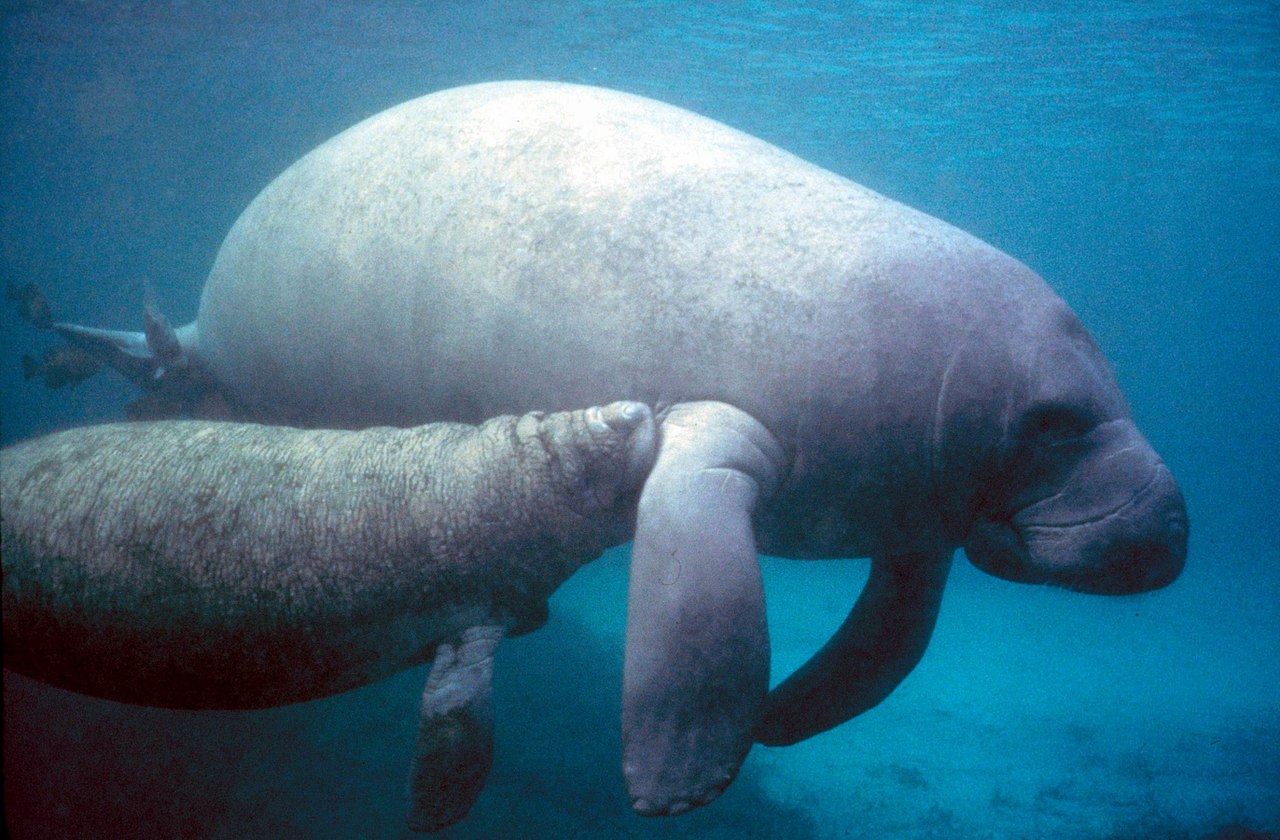
Florida Manatees: Gentle Giants of the Lagoon
The West Indian manatee depends on the Indian River Lagoon's seagrass meadows for survival. Learn about their biology, the threats they face, and what is being done to protect them.
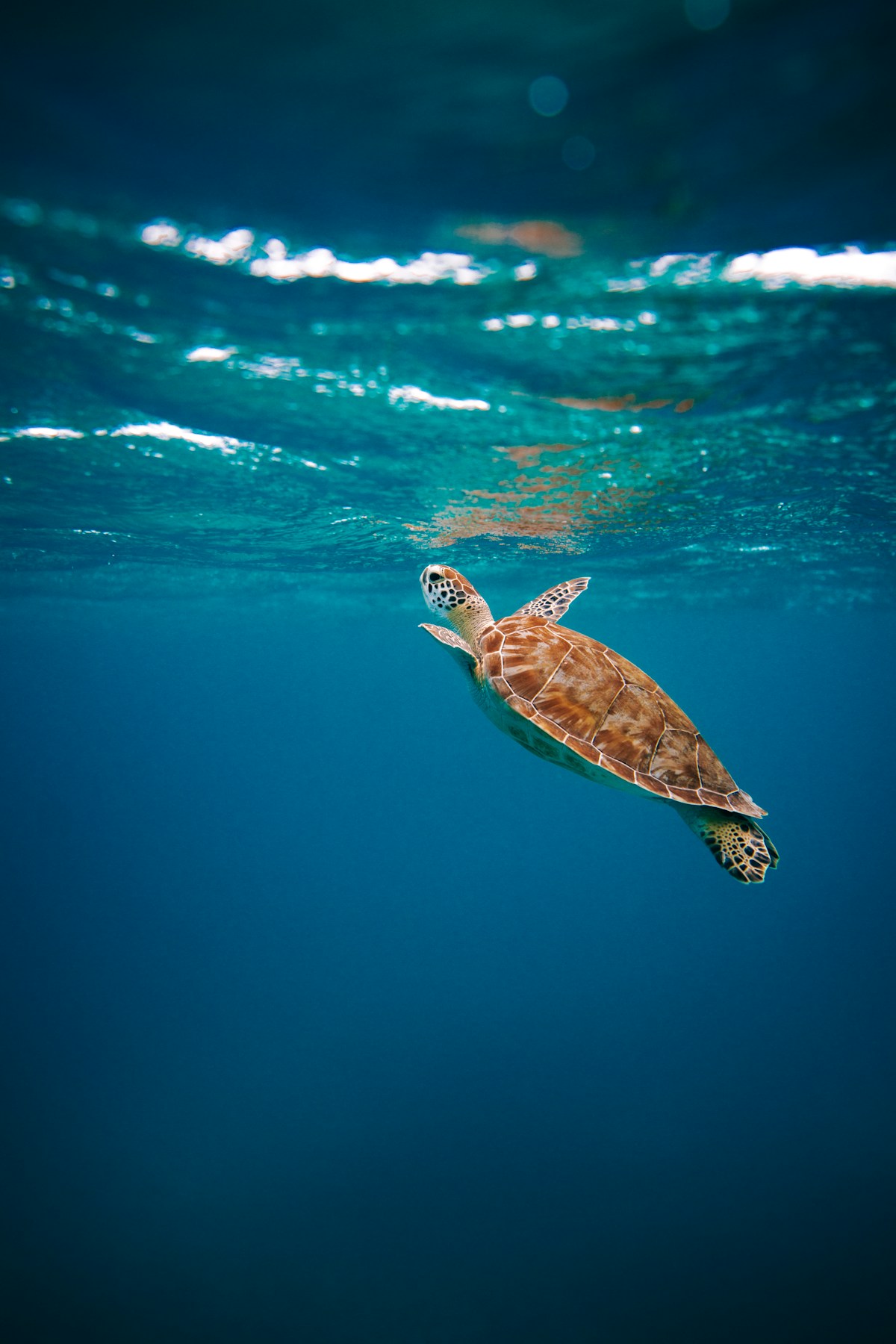
Sea Turtle Nesting on the Treasure Coast
The beaches of St. Lucie and Martin counties host some of the densest sea turtle nesting activity in the Western Hemisphere. Discover the three species that nest here and how communities protect them.
Birds of the Treasure Coast
The Treasure Coast is a destination for birders from around the world. The region's mosaic of habitats — mangrove shorelines, tidal flats, freshwater marshes, and open water — supports hundreds of bird species year-round, with additional migratory visitors arriving each fall and spring.
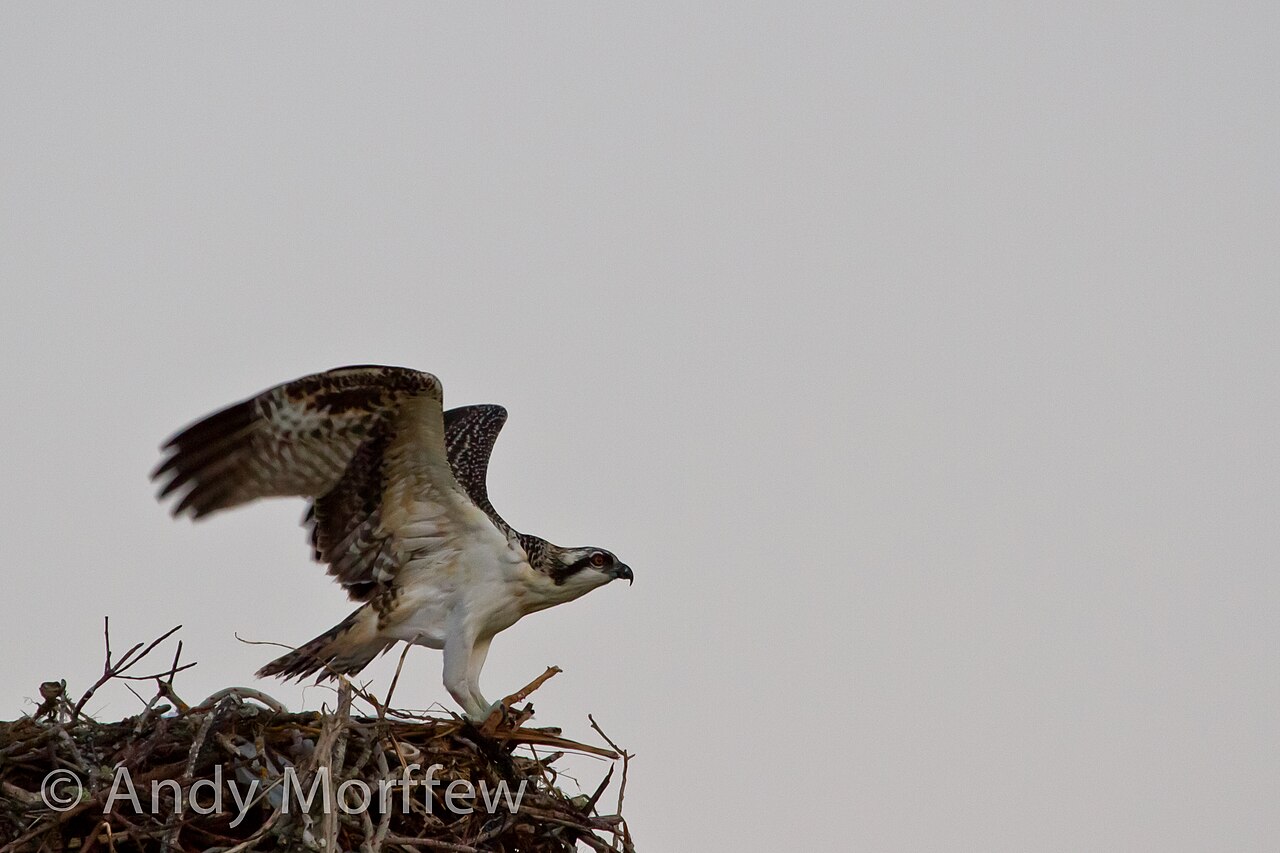
Ospreys
Often called "fish hawks," ospreys are among the most visible raptors on the Treasure Coast. They build large stick nests atop channel markers, utility poles, and platform structures along the Indian River Lagoon. Their population recovery from DDT-era declines is one of the great conservation success stories of the 20th century.
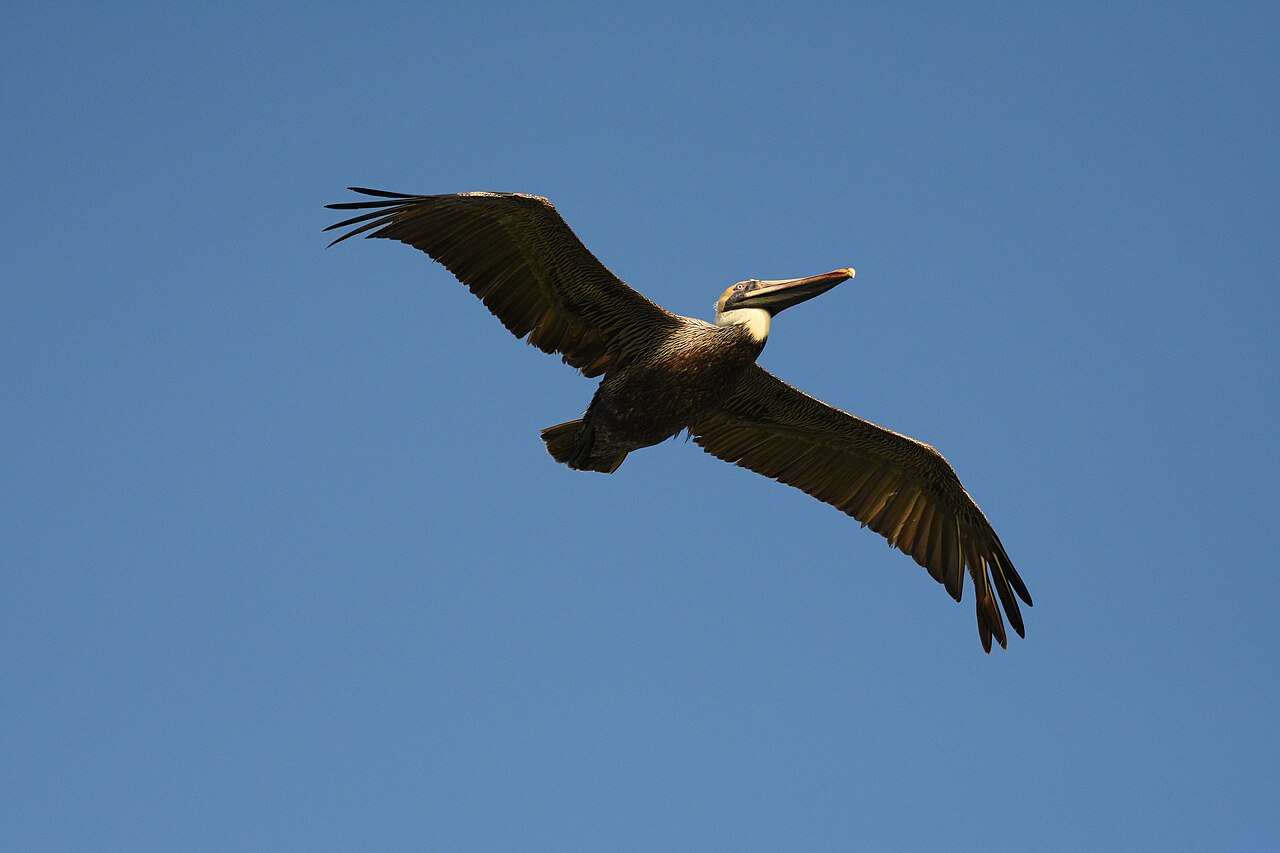
Brown Pelicans
The brown pelican is an icon of Florida's coastal waters. These large seabirds hunt by plunge-diving from heights of 60 to 70 feet, folding their wings and hitting the water bill-first. Like the osprey, the brown pelican was severely impacted by DDT and was listed as endangered in 1970. The species was delisted in 2009 after a remarkable recovery.
Wading Birds & Shorebirds
Great blue herons, great egrets, snowy egrets, tricolored herons, roseate spoonbills, and wood storks are commonly seen wading in the shallows of the lagoon and its tributaries. Shorebirds such as black skimmers, least terns, and Wilson's plovers nest on undeveloped stretches of barrier island beach, where they are vulnerable to disturbance and habitat loss.
Wildlife and the Lagoon Ecosystem
The health of Treasure Coast wildlife is inseparable from the health of the Indian River Lagoon. The lagoon's seagrass meadows feed manatees and support the small fish and invertebrates that sustain wading birds, pelicans, and ospreys. When algal blooms smother seagrass, the effects ripple through the entire food web.
The unprecedented manatee die-off that began in 2021, driven largely by starvation after massive seagrass loss in the northern lagoon, was a stark reminder of how interconnected these systems are. Understanding wildlife on the Treasure Coast means understanding the water, the vegetation, and the human decisions that shape both.
Explore our Lagoon and Conservation sections to learn more about the ecological systems that sustain the wildlife described here.