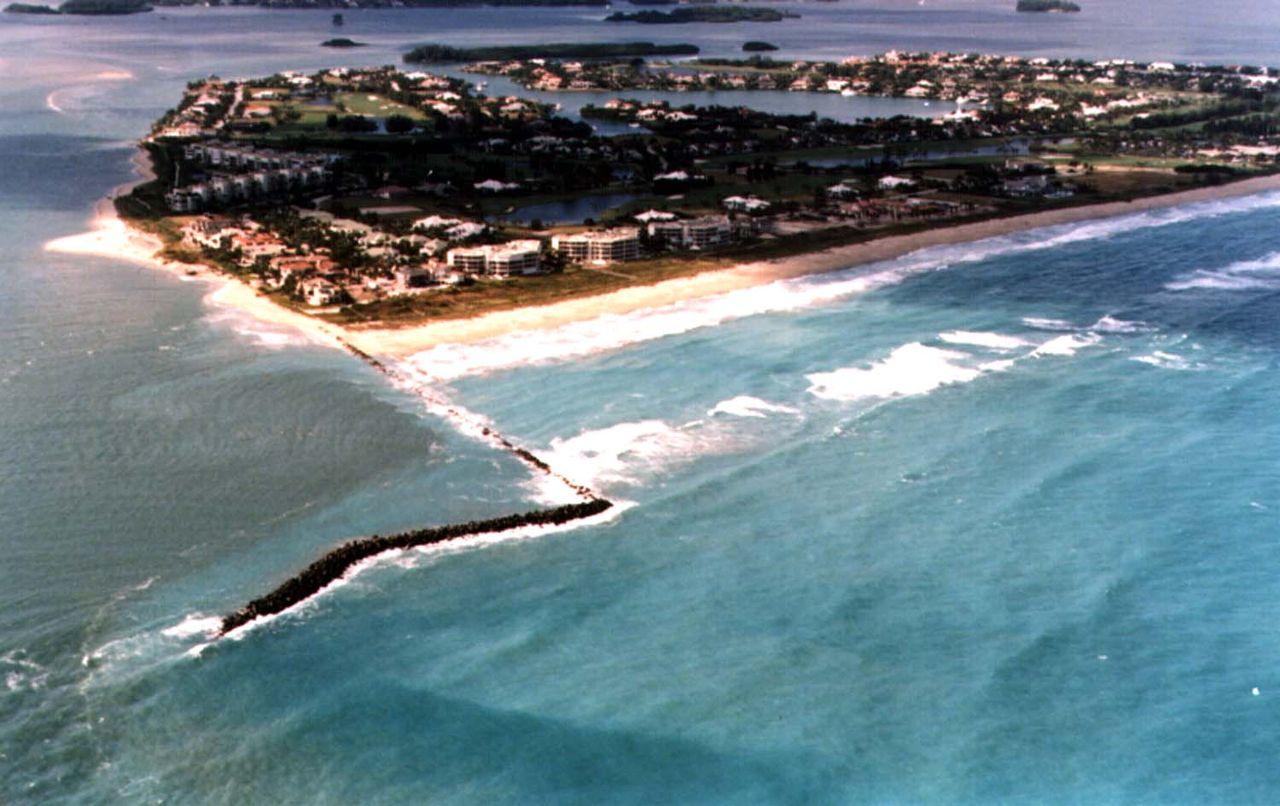
Stretching 156 miles along Florida's central Atlantic coast, the Indian River Lagoon holds a distinction that surprises many who hear it for the first time: it is the most biodiverse estuary in North America. With more than 4,300 documented species of plants and animals, the Indian River Lagoon biodiversity surpasses that of far larger and more famous waterways. Scientists have counted more species here than in the Chesapeake Bay, the Puget Sound, and the San Francisco Bay — combined with room to spare.
This is not a coincidence of counting methods or generous boundaries. The Indian River Lagoon biodiversity is the product of specific geographic, climatic, and hydrological conditions that create an environment unlike any other estuary on the continent. Understanding what drives this richness — and what threatens it — matters not only for the Treasure Coast but for estuarine science worldwide.
Where Temperate Meets Tropical
The single most important factor behind Indian River Lagoon biodiversity is location. The lagoon sits at approximately 27 to 29 degrees north latitude, placing it squarely in the overlap zone between temperate and subtropical biogeographic provinces. This transition zone, sometimes called an ecotone, allows species from both climate regimes to coexist in the same body of water.
Temperate species that range south along the Atlantic coast reach their southern limit in the lagoon's northern reaches near Volusia and Brevard counties. Meanwhile, tropical and subtropical species that range north from the Caribbean and South Florida find their northern limit in the lagoon's southern sections through Indian River, St. Lucie, and Martin counties. The result is an extraordinary overlap where cold-tolerant and warm-adapted species share the same estuary.
This biogeographic convergence is reinforced by the Gulf Stream, which flows north along the Florida coast and moderates winter temperatures, allowing tropical species to persist farther north than they otherwise could. The lagoon's five ocean inlets — Ponce de Leon, Sebastian, Fort Pierce, St. Lucie, and Jupiter — provide pathways for marine larvae and juveniles to enter the estuary from the Atlantic, constantly refreshing the lagoon's species pool.
What Is an Estuary?
An estuary is a partially enclosed coastal body of water where freshwater from rivers and streams mixes with saltwater from the ocean. Estuaries are among the most productive ecosystems on Earth, serving as nurseries for marine life, filters for pollutants, and buffers against coastal storms. The Indian River Lagoon is classified as a bar-built estuary, meaning it was formed by barrier islands that trapped water between themselves and the mainland.
A Remarkable Diversity of Fish
More than 700 species of fish have been documented in the Indian River Lagoon, an astonishing figure for a body of water that averages only three to five feet in depth. This fish diversity reflects the lagoon's role as both a permanent home and a critical nursery habitat.
Resident species include spotted seatrout, red drum, sheepshead, and various species of mullet. These fish spend their entire life cycles within the lagoon or its connected marshes and creeks. Transient species, which use the lagoon during specific life stages, include snook, tarpon, and several species of shark that enter through the inlets to feed or give birth in the lagoon's protected shallows.
The Florida Fish and Wildlife Conservation Commission (FWC) has documented how the lagoon functions as a nursery for commercially and recreationally important species. Juvenile snook, for example, depend on the lagoon's mangrove-lined shorelines for shelter from predators. Young red drum use seagrass beds as foraging grounds before moving to deeper waters as adults. The loss of these habitats directly reduces recruitment of fish populations that support both the ecosystem and the regional economy.
Indian River Lagoon biodiversity among fish is also notable for the number of small, often overlooked species. Gobies, blennies, killifish, and silversides form the base of the food web, converting plant material and invertebrates into prey for larger predators. These forage fish are essential links in the lagoon's ecological chain, and their populations serve as sensitive indicators of environmental health.
Invertebrates and Shellfish: The Hidden Majority
While fish and birds attract the most attention, invertebrates account for a substantial portion of the Indian River Lagoon biodiversity. More than 2,100 invertebrate species have been cataloged in the lagoon system, including crabs, shrimp, clams, oysters, worms, sponges, and jellyfish.
The eastern oyster (Crassostrea virginica) deserves special mention. Oyster reefs in the Indian River Lagoon serve as natural water filters, with a single adult oyster capable of filtering up to 50 gallons of water per day. Oyster reefs also provide hard substrate in an otherwise soft-bottomed estuary, creating habitat for dozens of associated species including mud crabs, barnacles, and juvenile fish. The South Florida Water Management District (SFWMD) has recognized oyster reef restoration as a priority for improving lagoon water quality.
Blue crabs, stone crabs, and penaeid shrimp (pink, white, and brown) are ecologically and economically important invertebrates in the lagoon. These crustaceans occupy multiple trophic levels, serving as both predators of smaller organisms and prey for fish, birds, and marine mammals. Their abundance is closely tied to the health of seagrass beds and mangrove wetlands, which provide the structural complexity they need for shelter and foraging.
The lagoon's sponge community is another marker of its subtropical character. Several species of sponge typically found in the Florida Keys and Caribbean have established populations in the lagoon's southern reaches, further evidence of the tropical influence that contributes to Indian River Lagoon biodiversity.
Over 300 Species of Birds
Birders have documented more than 300 species of birds in and around the Indian River Lagoon, making it one of the most important birding destinations on the eastern seaboard. This count includes year-round residents, winter migrants from the north, and neotropical migrants passing through on their way to and from Central and South America.
Wading birds are among the lagoon's most visible inhabitants. Great blue herons, great egrets, snowy egrets, roseate spoonbills, and wood storks forage in the lagoon's shallows, salt marshes, and impoundments. The lagoon's mangrove islands provide critical nesting colonies for many of these species, with some islands hosting thousands of breeding pairs during spring and summer.
Raptors also thrive along the lagoon. Ospreys are a common sight, nesting on channel markers, power poles, and platform nests throughout the estuary. Bald eagles nest in tall pines near the lagoon's edges, and peregrine falcons pass through during fall and spring migration. The lagoon's rich fish populations provide the prey base that sustains these predators.
Shorebirds depend on the lagoon's exposed mudflats, sandbars, and spoil islands during migration. Species including red knots, dunlins, semipalmated plovers, and various sandpipers refuel on the lagoon's invertebrate-rich tidal flats during their long journeys along the Atlantic Flyway. According to NOAA, the health of stopover habitats like these is critical for maintaining continental shorebird populations.
The Role of Salinity Gradients
One of the less visible but most important drivers of Indian River Lagoon biodiversity is the salinity gradient — the variation in salt concentration from one part of the lagoon to another and from one season to the next. Unlike many estuaries that have a simple gradient from fresh at the head to salty at the mouth, the Indian River Lagoon's hydrology creates a complex mosaic of salinity conditions.
Freshwater enters the lagoon from numerous creeks, canals, and drainage ditches along its western shore. Saltwater enters through the five ocean inlets. Because the lagoon is long, narrow, and shallow, water circulation is sluggish in many areas, creating pockets of varying salinity that can persist for weeks or months. Some sections of the lagoon can swing from nearly fresh during heavy rains to hypersaline during droughts, when evaporation concentrates the remaining salt.
This variability in salinity creates a patchwork of microhabitats. Freshwater species, brackish-water specialists, and fully marine organisms each find suitable conditions somewhere in the lagoon at any given time. The constant interplay between freshwater inputs and tidal exchange through the inlets maintains the dynamic conditions that support such a wide range of life. When human activities alter freshwater flows — through canal discharges or water management decisions — the salinity balance shifts, and Indian River Lagoon biodiversity can suffer.
Seasonal Patterns in Lagoon Life
The Indian River Lagoon's ecology follows a seasonal rhythm driven by temperature, rainfall, and photoperiod. Understanding these patterns is key to appreciating the full scope of Indian River Lagoon biodiversity.
Spring brings a surge of reproductive activity. Spotted seatrout begin spawning in the lagoon as water temperatures rise above 70 degrees Fahrenheit, their distinctive drumming audible to anyone who puts an ear to the water. Wading birds form nesting colonies on mangrove islands. Sea turtles begin arriving on the barrier island beaches to nest, though their primary activity occurs on the ocean side.
Summer is the wet season, when afternoon thunderstorms and occasional tropical systems deliver the bulk of the region's annual rainfall. This freshwater input lowers salinity throughout the lagoon and delivers a pulse of nutrients — both natural and, increasingly, from human sources. Summer is also the peak season for algal blooms when conditions are right, particularly in years of heavy rainfall following dry winters.
Fall migration brings waves of shorebirds, raptors, and songbirds through the lagoon region. Manatees that spent the summer dispersed throughout the lagoon begin moving toward warm-water refuges as water temperatures drop. Fall is also a productive time for fishing, as many species feed heavily before winter.
Winter sees the arrival of northern migrants, including American white pelicans, northern gannets, and hundreds of species of ducks and shorebirds. Florida manatees congregate at warm-water discharges from power plants and natural springs. The cooler months also bring lower rainfall and higher salinity in many parts of the lagoon, favoring marine species over freshwater ones.
Threats to Indian River Lagoon Biodiversity
Despite its extraordinary richness, the Indian River Lagoon biodiversity is under significant threat. The most pressing danger is declining water quality, driven by nutrient pollution from septic systems, fertilizer runoff, and stormwater discharges. Excess nitrogen and phosphorus fuel algal blooms that block sunlight from reaching seagrass beds, triggering a cascade of habitat loss that ripples through the food web.
Between 2011 and 2012, the lagoon experienced a series of devastating algal blooms — often called superbloom events — that killed an estimated 47,000 acres of seagrass, roughly 60 percent of the lagoon's total seagrass coverage at the time. The loss of seagrass led directly to a mass die-off of manatees in subsequent years, as the animals starved without their primary food source. Fish populations declined, and the lagoon's ecological web was fundamentally disrupted.
Habitat loss from coastal development also erodes Indian River Lagoon biodiversity. Mangrove shorelines have been replaced with seawalls. Wetlands that once filtered runoff have been filled for construction. Impervious surfaces — roads, rooftops, parking lots — increase the volume and speed of stormwater reaching the lagoon, carrying pollutants directly into the estuary.
Climate change adds another layer of concern. Rising water temperatures may shift the lagoon's biogeographic balance, potentially favoring tropical species at the expense of temperate ones. Sea level rise threatens low-lying mangrove forests and salt marshes. Changes in rainfall patterns could alter the salinity regime that underpins the lagoon's ecological diversity.
Conservation efforts are underway at local, state, and federal levels. Brevard County's Save Our Indian River Lagoon program, funded by a voter-approved half-cent sales tax, has invested hundreds of millions of dollars in septic-to-sewer conversions, muck removal, and stormwater treatment. The Indian River Lagoon National Estuary Program (IRLNEP) coordinates restoration priorities across the lagoon's multi-county watershed. These efforts are critical, but the scale of the challenge remains enormous.
Why Indian River Lagoon Biodiversity Matters
The Indian River Lagoon is not merely an ecological curiosity. It is an economic engine that supports a multibillion-dollar fishing, tourism, and recreation industry along the Treasure Coast and Space Coast. It is a nursery for offshore fisheries. It is a classroom for researchers studying estuarine ecology. And it is a place of profound beauty that anchors the quality of life for the communities along its shores.
Protecting Indian River Lagoon biodiversity requires sustained investment, informed policy, and an engaged public. The species counts and ecological surveys tell a story of a system that is both remarkably resilient and increasingly vulnerable. What happens to the lagoon in the coming decades will be determined not by nature alone, but by the choices made by the people who live, work, and recreate along its banks.
Frequently Asked Questions
Why is the Indian River Lagoon the most biodiverse estuary in North America?
The Indian River Lagoon sits at the overlap between temperate and subtropical climate zones, allowing species from both regions to coexist. Its five ocean inlets, variable salinity, diverse habitats (including mangroves, seagrass beds, oyster reefs, and salt marshes), and moderating influence of the Gulf Stream all contribute to supporting more than 4,300 documented species.
How many fish species live in the Indian River Lagoon?
Scientists have documented more than 700 species of fish in the Indian River Lagoon, including both permanent residents like spotted seatrout and red drum, and transient species like snook and tarpon that use the lagoon as a nursery during early life stages.
What is the biggest threat to Indian River Lagoon biodiversity?
Nutrient pollution leading to declining water quality is the most pressing threat. Excess nitrogen and phosphorus from septic systems, fertilizer runoff, and stormwater fuel algal blooms that block sunlight from seagrass beds, triggering cascading habitat loss throughout the ecosystem. The 2011–2012 superbloom events killed roughly 60 percent of the lagoon's seagrass.
What kinds of birds can you see at the Indian River Lagoon?
More than 300 bird species have been recorded in the lagoon area, including wading birds (great blue herons, roseate spoonbills, wood storks), raptors (ospreys, bald eagles), shorebirds (red knots, dunlins), and winter visitors like American white pelicans and northern gannets.
Is the Indian River Lagoon actually a river?
No. Despite its name, the Indian River Lagoon is an estuary — a shallow, bar-built coastal lagoon formed behind barrier islands. It is connected to the Atlantic Ocean through five inlets, and its waters are a mix of fresh and salt water. At 156 miles long, it is the longest barrier island estuary in the United States.