Indian River Lagoon

North America's most biodiverse estuary, stretching 156 miles along Florida's Atlantic coast

A Living Treasure of the Treasure Coast

The Indian River Lagoon is not a single river at all. It is a vast, shallow estuary that runs parallel to Florida's east coast from Volusia County south through Brevard, Indian River, St. Lucie, and Martin counties. At 156 miles long, the Indian River Lagoon is the longest barrier island estuary in the United States and one of the most remarkable bodies of water on the planet.

Scientists have documented more than 4,300 species of plants and animals within the Indian River Lagoon system, making it the most biologically diverse estuary in North America. This extraordinary richness stems from the lagoon's unique position at the overlap zone between temperate and subtropical climate regions, creating conditions that support an exceptional range of life.

The lagoon's watershed covers roughly 2,284 square miles across six counties. Its waters are shallow — averaging just three to five feet deep — and its connection to the Atlantic Ocean through five inlets creates a dynamic mix of fresh and salt water that sustains habitats found nowhere else in such concentration.

Yet the Indian River Lagoon faces serious challenges. Decades of nutrient pollution, habitat loss, and development pressure have degraded water quality and threatened the ecological balance that makes this estuary so extraordinary. Understanding the lagoon is the first step toward protecting it.

156 Miles Long
4,300+ Species Documented
700+ Fish Species
300+ Bird Species
2,284 Sq Mi Watershed

Explore the Lagoon

Dive deeper into the ecology and challenges facing the Indian River Lagoon through our in-depth guides.
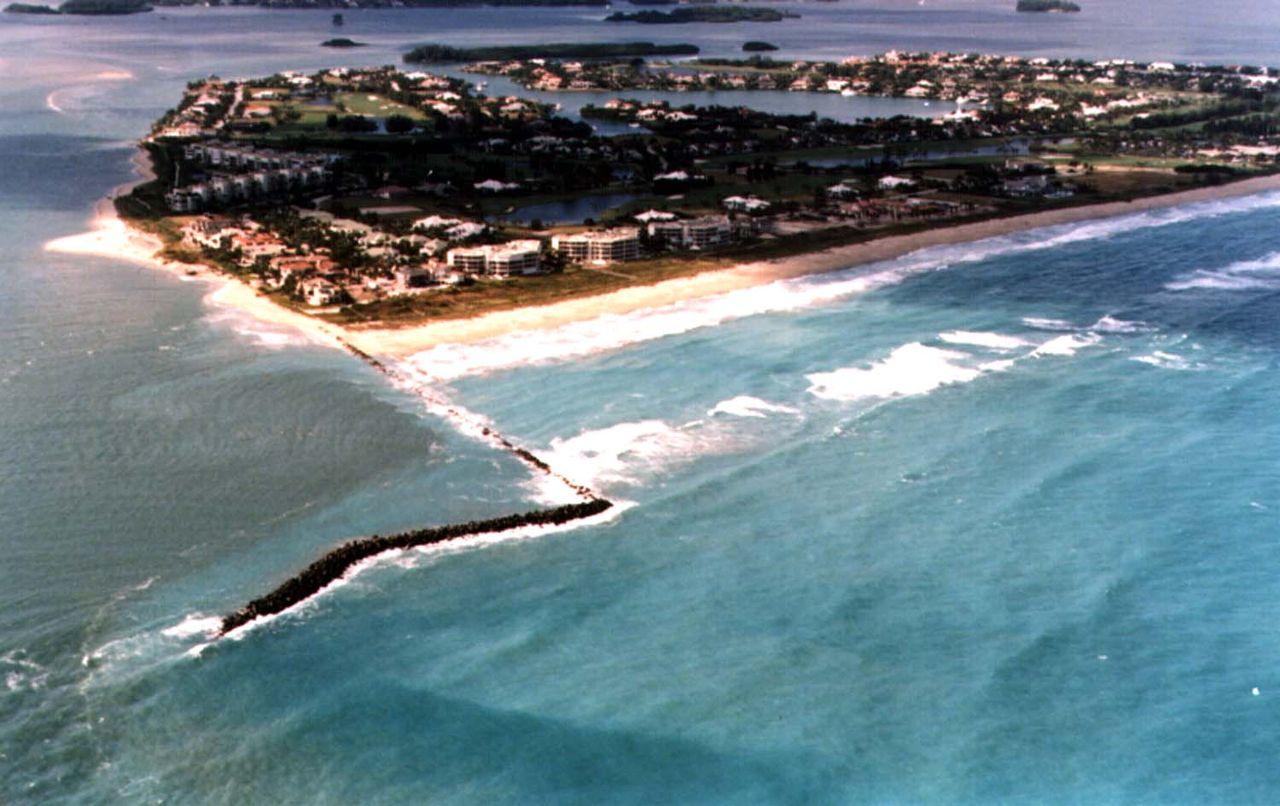
Lagoon Habitats

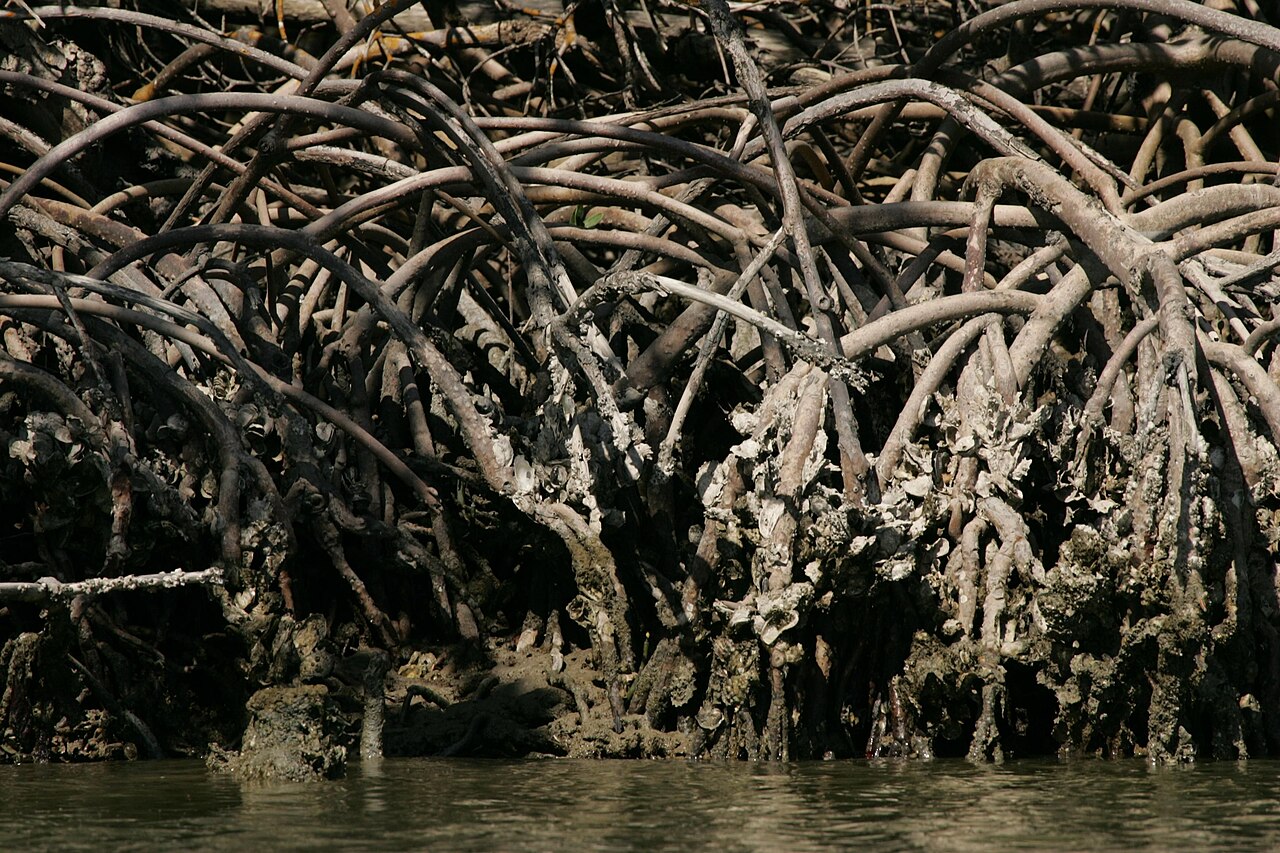
The Indian River Lagoon is defined by the interconnected habitats that line its shores and fill its waters. Each plays a critical role in the health of the whole system.