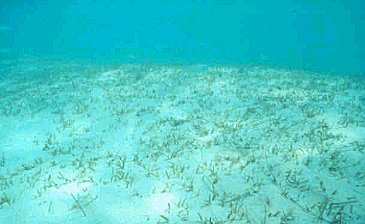
Beneath the surface of the Indian River Lagoon lies a habitat that is easy to overlook but impossible to overstate in importance. Indian River Lagoon seagrass meadows, vast underwater prairies of flowering marine plants, form the ecological backbone of the estuary. They produce oxygen, stabilize sediments, shelter juvenile fish, and provide the primary food source for manatees and sea turtles. When seagrass thrives, the lagoon thrives. When it disappears, the consequences ripple through every layer of the ecosystem.
Seagrass Species of the Indian River Lagoon
The Indian River Lagoon supports seven species of seagrass, making it one of the most species-rich seagrass environments in North America. This diversity reflects the lagoon's unique position at the boundary between temperate and subtropical climate zones, where species from both regions overlap.
Shoal Grass (Halodule wrightii)
The most abundant and widespread Indian River Lagoon seagrass species, shoal grass is a thin-bladed pioneer species that colonizes disturbed areas and tolerates a wide range of salinity and light conditions. It is often the first seagrass to appear in recovering habitats, making it a key indicator of restoration success.
Manatee Grass (Syringodium filiforme)
Named for one of its most notable consumers, manatee grass features distinctive cylindrical blades that distinguish it from the flat-bladed species. It tends to grow in slightly deeper water and is common in the central and southern reaches of the lagoon, often forming mixed beds with shoal grass and turtle grass.
Turtle Grass (Thalassia testudinum)
The largest and most robust of the Indian River Lagoon seagrass species, turtle grass has wide, ribbon-like blades and extensive root and rhizome systems that anchor sediments effectively. It is the dominant seagrass in the southern portions of the lagoon and in nearshore ocean waters. Turtle grass beds represent a mature, climax seagrass community and take the longest to recover once lost.
Additional Species
Four other seagrass species contribute to the lagoon's underwater meadows. Johnson's seagrass (Halophila johnsonii), found only in southeastern Florida, is federally listed as threatened under the Endangered Species Act, making it the only marine plant with federal protection in the continental United States. Paddle grass (Halophila decipiens), star grass (Halophila engelmannii), and widgeon grass (Ruppia maritima) round out the species list, each adapted to specific light, salinity, and depth conditions within the lagoon.
Why Indian River Lagoon Seagrass Matters
Seagrass meadows are sometimes called the "lungs of the lagoon," and the comparison is apt. A single acre of healthy seagrass can produce over 10,000 liters of oxygen per day through photosynthesis, supporting the aerobic conditions that fish, crabs, and other marine organisms need to survive. But the ecological contributions of Indian River Lagoon seagrass extend well beyond oxygen production.
Sediment Stabilization
The root and rhizome systems of seagrass plants bind bottom sediments, preventing resuspension by waves and currents. This stabilization reduces turbidity and maintains the water clarity that seagrass itself needs for photosynthesis, creating a positive feedback loop. When seagrass is lost, sediments become mobile, water clarity declines, and conditions become even less favorable for seagrass recovery.
Nursery Habitat
Indian River Lagoon seagrass meadows provide shelter and foraging habitat for the juvenile stages of hundreds of marine species. Young spotted seatrout, snook, pinfish, pigfish, and blue crabs all use seagrass beds as nurseries. The blades themselves are colonized by epiphytic algae and tiny invertebrates that form the base of the seagrass food web, supporting small fish that in turn feed larger predators.
Food Source for Iconic Species
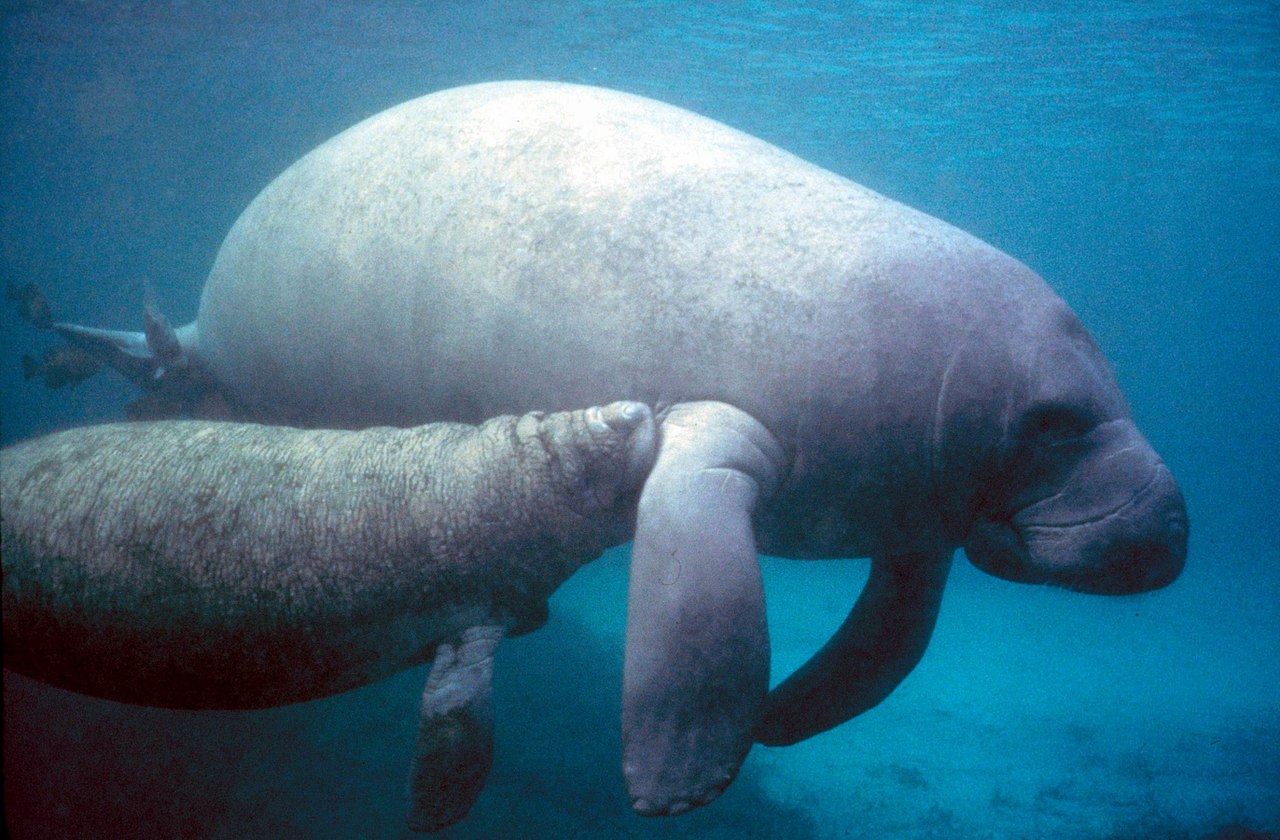
Florida manatees are among the most visible consumers of Indian River Lagoon seagrass. An adult manatee can eat 100 to 150 pounds of vegetation per day, and seagrass constitutes a major portion of their diet within the lagoon. Green sea turtles also graze on seagrass, particularly turtle grass, throughout their juvenile and adult stages. The decline of seagrass in the lagoon has been directly linked to manatee malnutrition and starvation events that have garnered national attention.
Carbon Sequestration
Like mangrove forests, seagrass meadows are significant blue carbon ecosystems. Seagrass plants capture carbon dioxide during photosynthesis and store carbon in their biomass and in the sediments beneath them. According to research compiled by NOAA, seagrass ecosystems globally can sequester carbon at rates comparable to or exceeding those of terrestrial forests on a per-area basis. The organic-rich sediments beneath long-established Indian River Lagoon seagrass beds may contain carbon accumulated over thousands of years.
Historical Extent of Seagrass in the Lagoon
At its peak, the Indian River Lagoon supported an estimated 80,000 or more acres of seagrass, making it one of the most extensive seagrass systems in the southeastern United States. Aerial surveys and mapping efforts conducted by the St. Johns River Water Management District (SJRWMD) beginning in the 1940s documented dense seagrass coverage throughout much of the lagoon, with particularly robust beds in the Banana River, the Indian River proper, and the Mosquito Lagoon.
For much of the twentieth century, the lagoon's waters were clear enough to see the bottom in depths of four to six feet or more. Longtime Treasure Coast residents recall being able to watch fish swimming over seagrass beds from docks and bridges. That clarity, and the Indian River Lagoon seagrass it supported, was the foundation of the lagoon's extraordinary biodiversity.
The Catastrophic Die-Off
Beginning in 2011, the Indian River Lagoon experienced a series of ecological disasters that would fundamentally alter its seagrass landscape. The triggering event was what scientists and resource managers now call a "superbloom."
What Is a Superbloom?
In the context of the Indian River Lagoon, a "superbloom" refers to an exceptionally intense and prolonged algal bloom that covers vast areas of the water surface and persists for months. Unlike typical algal blooms that may affect localized areas for days or weeks, the 2011 superbloom blanketed large portions of the northern and central lagoon with a dense, brown, phytoplankton-dominated bloom that blocked sunlight from reaching the bottom. The term distinguishes these extreme events from the more routine algal blooms that occur seasonally in nutrient-rich estuaries. The 2011 superbloom was followed by additional severe blooms in subsequent years, compounding the damage to Indian River Lagoon seagrass and the broader ecosystem.
In the spring and summer of 2011, a massive phytoplankton bloom erupted across the northern and central Indian River Lagoon. Fed by decades of accumulated nutrients in lagoon sediments and triggered by a combination of drought, reduced flushing, and warm temperatures, the bloom turned large areas of the lagoon opaque brown. Sunlight could not penetrate to the bottom, and within months, seagrass that had been growing in those areas for decades began to die.
The losses were staggering. Monitoring data from SJRWMD showed that tens of thousands of acres of Indian River Lagoon seagrass were lost between 2011 and 2013. In some areas, particularly the Banana River Lagoon and northern Indian River, seagrass coverage dropped to near zero. Species that had taken decades to establish, including turtle grass beds with deep root systems and accumulated sediment, vanished within a single growing season.
The die-off triggered a cascade of ecological consequences. Without seagrass roots to stabilize sediments, fine muck became resuspended by wind and tidal action, further reducing water clarity. The loss of nursery habitat contributed to declines in fish populations. And the disappearance of a major food source set the stage for the manatee starvation events that would draw national media coverage in subsequent years.
Water Quality: The Root Cause
The superbloom and seagrass die-off did not occur in isolation. They were the culmination of decades of declining water quality in the Indian River Lagoon. The fundamental problem is nutrient pollution, primarily nitrogen and phosphorus, entering the lagoon from multiple sources.
Stormwater runoff from residential and commercial development carries fertilizers, pet waste, and other nutrient-rich pollutants into the lagoon through a network of drainage ditches and canals. Aging and failing septic systems, particularly in older communities built close to the lagoon, leach nutrients directly into groundwater that feeds the estuary. Agricultural runoff from citrus groves, cattle ranches, and row crops contributes additional nutrient loads in the lagoon's watershed.
Over decades, these inputs enriched the lagoon's sediments with a thick layer of nutrient-rich organic muck. This legacy muck acts as an internal nutrient source, releasing nitrogen and phosphorus back into the water column even when external inputs are reduced. The connection between nutrient loading, water clarity, and Indian River Lagoon seagrass health is direct and well documented. For a deeper discussion of the lagoon's water quality challenges, see our Water Quality Crisis article.
Restoration and Monitoring Efforts
The scale of seagrass loss in the Indian River Lagoon has prompted an unprecedented restoration and management response. The Indian River Lagoon National Estuary Program (IRLNEP) and SJRWMD have led coordinated planning efforts, while local governments, state agencies, and federal partners have invested in projects aimed at reducing nutrient inputs and improving water quality.
Muck Removal
One of the most direct restoration strategies is the physical dredging of nutrient-rich muck from the lagoon bottom. Brevard County and other jurisdictions have undertaken muck removal projects targeting areas where legacy sediments are thickest and most ecologically damaging. By removing the internal nutrient source, these projects aim to break the cycle of algal blooms and create conditions where Indian River Lagoon seagrass can naturally recolonize.
Stormwater Treatment
Municipalities and counties across the lagoon's watershed have invested in stormwater treatment improvements, including baffle boxes, retention ponds, bioswales, and constructed wetlands designed to capture nutrients before they reach the lagoon. These infrastructure projects address one of the primary external sources of nutrient pollution.
Septic-to-Sewer Conversions
Converting aging septic systems to centralized sewer connections has been identified as a high-priority action for reducing nutrient loading to the lagoon. The Indian River Lagoon National Estuary Program's Comprehensive Conservation and Management Plan identifies septic-to-sewer conversion as one of the most cost-effective strategies for improving water quality and supporting Indian River Lagoon seagrass recovery.
Seagrass Monitoring
Ongoing monitoring by SJRWMD, the Florida Department of Environmental Protection, and university researchers tracks seagrass coverage, species composition, and water quality parameters across the lagoon. Aerial mapping conducted on regular intervals provides a broad-scale view of seagrass trends, while field sampling offers detailed information about seagrass health and the factors influencing recovery.
Recovery Progress and Challenges
Recovery of Indian River Lagoon seagrass has been uneven and slow. In some areas, particularly where water quality improvements have taken hold, shoal grass and other pioneer species have begun to recolonize bare sediments. These early-stage recoveries are encouraging but fragile. A single severe algal bloom event can wipe out years of incremental progress.
The long-term prognosis for seagrass in the lagoon depends on sustained reductions in nutrient loading from all sources. Scientists affiliated with the IRLNEP and SJRWMD have emphasized that meaningful recovery will require decades of consistent investment in water quality improvement. The legacy nutrient load in lagoon sediments took generations to accumulate, and it will not be resolved by any single project or short-term initiative.
Climate change adds additional uncertainty. Rising water temperatures may favor algal blooms over seagrass growth, while changes in precipitation patterns could alter the timing and volume of nutrient-laden runoff reaching the lagoon. Sea level rise may shift the depth zones where seagrass can grow, though the shallow nature of much of the Indian River Lagoon means this effect may be less pronounced than in deeper coastal waters.
Despite these challenges, the restoration of Indian River Lagoon seagrass remains the central ecological priority for the estuary. As the Indian River Lagoon article on this site discusses, the health of the lagoon's seagrass meadows is the single best indicator of overall ecosystem condition. Every acre of seagrass that returns is an acre of nursery habitat restored, an acre of carbon being sequestered, and an acre of food available for the manatees, turtles, and fish that depend on it.
Frequently Asked Questions
How many species of seagrass grow in the Indian River Lagoon?
Seven species of seagrass have been documented in the Indian River Lagoon: shoal grass (Halodule wrightii), manatee grass (Syringodium filiforme), turtle grass (Thalassia testudinum), Johnson's seagrass (Halophila johnsonii), paddle grass (Halophila decipiens), star grass (Halophila engelmannii), and widgeon grass (Ruppia maritima). This makes the lagoon one of the most species-rich seagrass environments in North America.
What caused the seagrass die-off in the Indian River Lagoon?
The primary cause was a massive algal bloom (superbloom) in 2011 that blocked sunlight from reaching the lagoon bottom, killing tens of thousands of acres of Indian River Lagoon seagrass. The bloom was fueled by decades of accumulated nutrients from stormwater runoff, septic system leakage, and agricultural discharge. Subsequent blooms in following years compounded the damage.
Is seagrass recovering in the lagoon?
Recovery has been partial and uneven. Some areas have seen recolonization by pioneer species like shoal grass, but many areas that once supported dense turtle grass beds remain bare or sparsely vegetated. Sustained, long-term water quality improvements are necessary for meaningful Indian River Lagoon seagrass recovery across the estuary.
Why is seagrass important for manatees?
Seagrass is a primary food source for Florida manatees, which can consume 100 to 150 pounds of vegetation per day. The loss of seagrass in the Indian River Lagoon has been directly linked to manatee malnutrition and mortality events, particularly during winter months when manatees congregate in the lagoon's warm-water refuges.
What can residents do to help protect seagrass?
Reducing nutrient pollution is the most impactful action. Residents can help by minimizing fertilizer use on lawns, properly maintaining septic systems, picking up pet waste, supporting stormwater infrastructure improvements, and advocating for septic-to-sewer conversion projects in their communities. Boaters can also protect seagrass by observing slow-speed zones and avoiding running aground in shallow seagrass beds.