The Treasure Coast of Florida stretches along a remarkable ecological corridor where temperate and tropical systems converge. From the tangled prop roots of mangrove forests to the waving blades of underwater seagrass prairies and the windswept dunes of barrier islands, this region supports some of the most biologically productive habitats on the Atlantic seaboard.
What makes these habitats exceptional is not just their individual richness but how deeply they depend on one another. Mangrove forests filter sediment and stabilize shorelines, creating the calm, clear water that seagrass needs to thrive. Seagrass meadows oxygenate the water column and provide nursery habitat for fish and invertebrates that later populate the open lagoon and nearshore reefs. Barrier islands buffer the estuary from ocean storms while their inlets allow the tidal exchange that keeps the entire system in balance.
Understanding these connections is essential to protecting the Indian River Lagoon and the broader coastal environment. Each habitat page below explores the ecology, significance, and conservation challenges of these vital natural systems.
Explore Treasure Coast Habitats
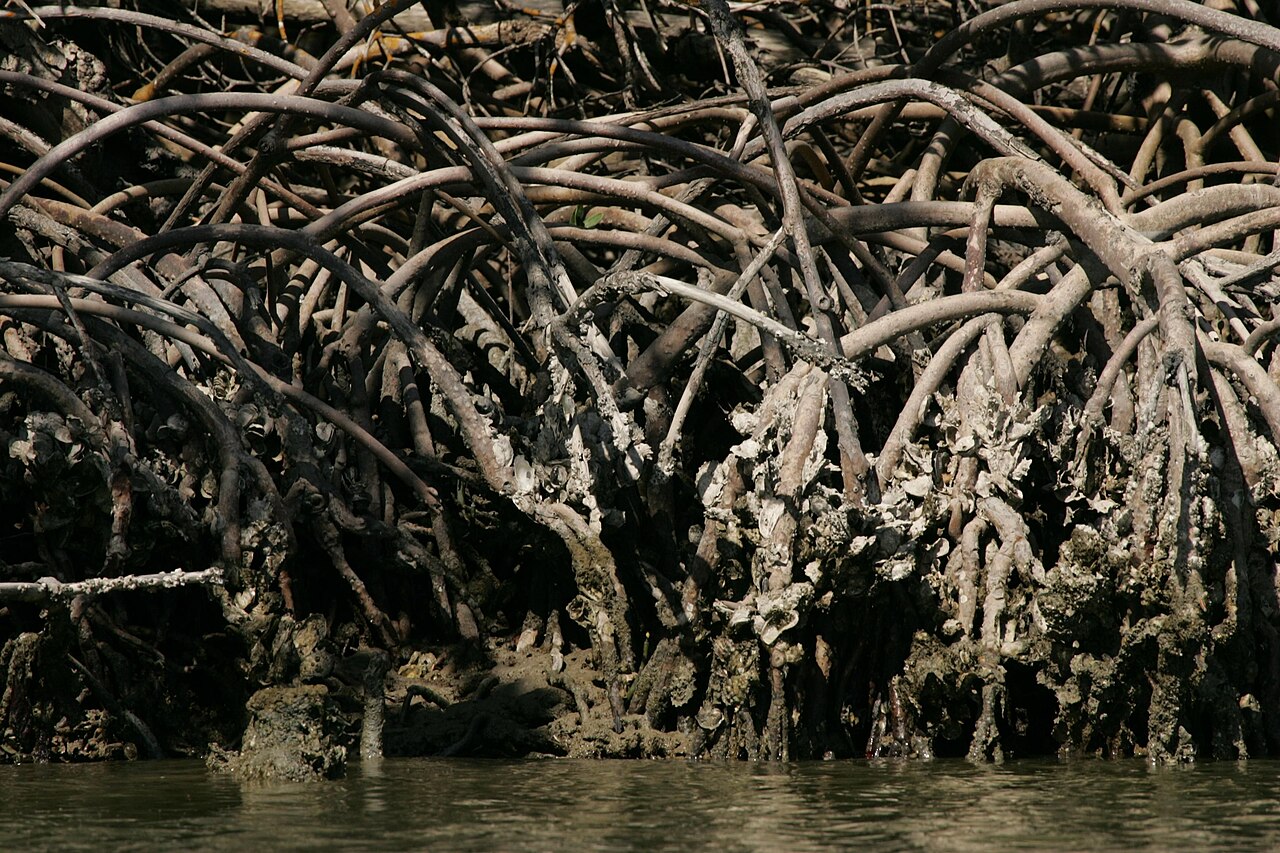
Mangrove Forests
Florida's living shoreline. Discover how three species of mangroves protect the coast, sequester carbon, and serve as nurseries for hundreds of marine species along the Indian River Lagoon.
Read the full guide →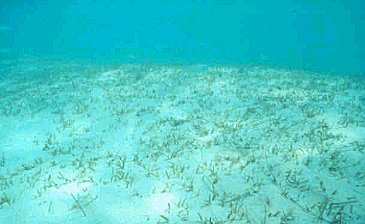
Seagrass Meadows
The underwater prairies that sustain manatees, sea turtles, and thousands of fish species. Learn about the catastrophic die-offs, the recovery effort, and why seagrass health is the lagoon's vital sign.
Read the full guide →Barrier Islands: The Coastal Shield
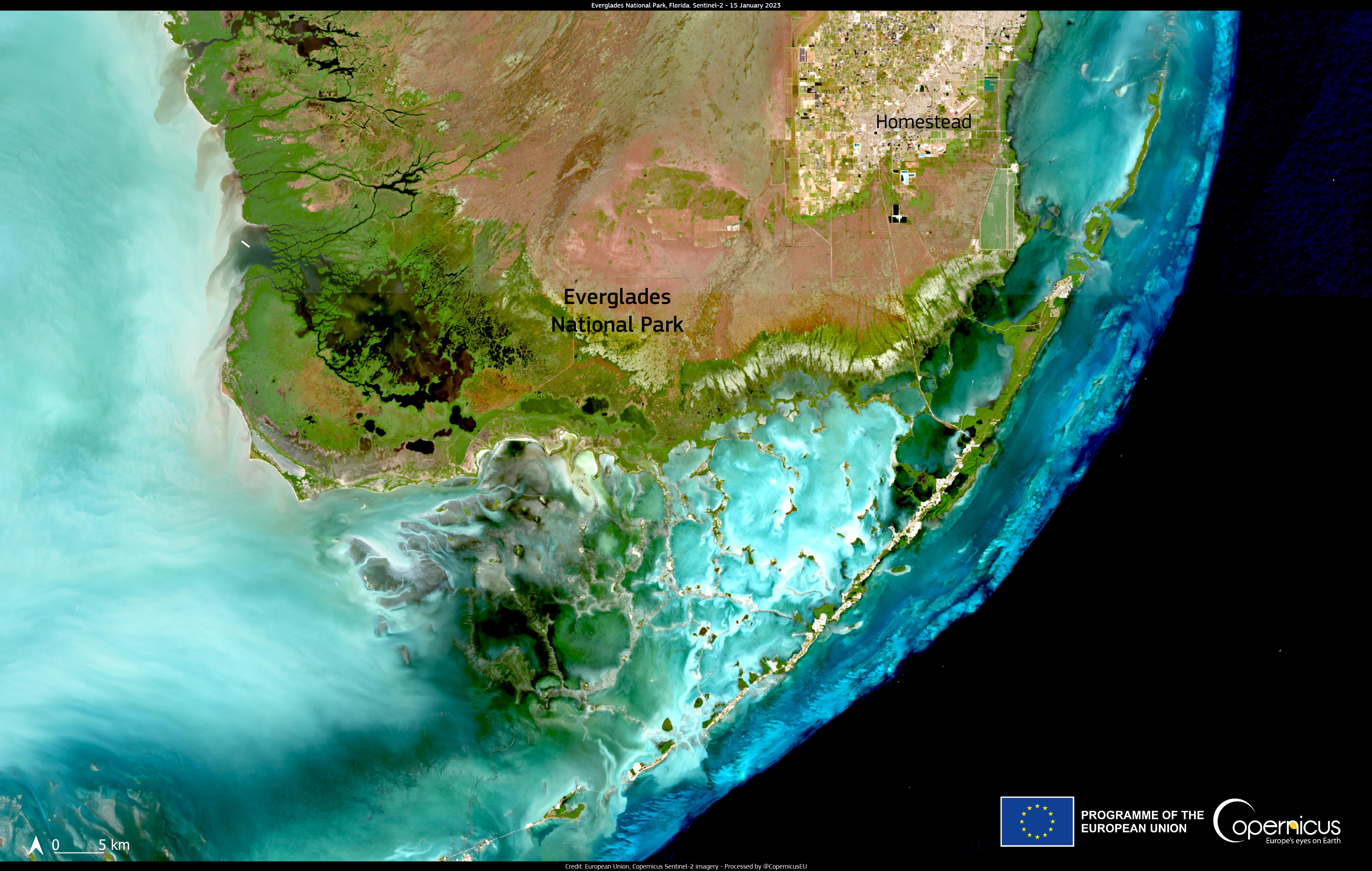
Stretching along the Atlantic side of the Indian River Lagoon, the Treasure Coast's barrier islands form a dynamic chain of narrow landforms built from sand, shell, and coquina rock. Hutchinson Island, the largest barrier island in the region, spans roughly 23 miles across both St. Lucie and Martin counties, while Jupiter Island extends southward into Palm Beach County.
These islands are far more than scenic beachfront. They serve as the first line of defense against hurricane storm surge and wave energy, protecting the calmer waters of the lagoon behind them. Their dune systems, stabilized by sea oats (Uniola paniculata) and other native vegetation, absorb and dissipate wave energy during storms. The maritime hammock forests found on their inland sides support unique plant communities adapted to salt spray, sandy soils, and periodic flooding.
Barrier islands also provide critical nesting habitat for loggerhead, green, and leatherback sea turtles, as well as shorebirds like least terns and Wilson's plovers. The inlets that separate the islands allow tidal exchange between the ocean and the lagoon, maintaining salinity gradients that support the estuary's diverse fishery.
The geological forces that shape barrier islands, including longshore drift, sea level fluctuation, and storm overwash, have been at work along this coast for thousands of years. For a deeper look at how Florida's coastline has been shaped by geological processes, visit Florida Geology.
A Connected System
No habitat on the Treasure Coast exists in isolation. The health of the mangrove fringe depends on natural water flow from the mainland. Seagrass coverage depends on the water clarity that mangroves help provide. Barrier islands rely on the natural sediment transport processes that development often interrupts. And the Indian River Lagoon that ties them all together depends on the ecological services that each habitat provides.
When one piece of the system suffers, such as the massive seagrass die-offs that began in 2011, the effects ripple outward: manatee starvation events, fish kills, declining water quality, and loss of shoreline stability. Protecting these habitats requires understanding them not as separate places but as interconnected components of a single, living coastal system.
Explore our Conservation section to learn about the threats these habitats face and the ongoing efforts to protect and restore them.