The Indian River Lagoon is the most biodiverse estuary in North America, supporting more than 4,300 documented species of plants and animals along its 156-mile stretch of Florida's Atlantic coast. It is also an estuary in crisis. Decades of nutrient pollution, habitat loss, and development have degraded water quality, killed vast seagrass beds, and triggered devastating algal blooms. But Indian River Lagoon restoration is underway — a multi-decade, multi-billion-dollar effort involving government agencies, scientific institutions, nonprofits, and ordinary citizens determined to bring the lagoon back from the brink.
A Turning Point: How the Lagoon Reached Crisis
The Indian River Lagoon's decline did not happen overnight. For much of the 20th century, the lagoon's watershed was transformed by development, agriculture, and infrastructure projects that fundamentally altered how water moves through the landscape. Wetlands that once filtered rainwater before it reached the lagoon were drained and filled. Canals and stormwater systems were built to channel water rapidly off developed land and into the estuary, carrying nutrients and pollutants with it.
By the early 2000s, scientists were documenting troubling trends: declining water clarity, increasing nutrient concentrations, and gradual seagrass losses. But it was the catastrophic superbloom of 2011 that transformed public awareness. An unprecedented algal bloom engulfed the northern lagoon, reducing visibility to near zero and killing tens of thousands of acres of seagrass in Brevard County alone. The 2011 event made it impossible to ignore what scientists had been warning about for years — the Indian River Lagoon was in serious trouble, and Indian River Lagoon restoration could no longer wait.
The superbloom and the seagrass die-offs that followed were a catalyst. They galvanized public support for ambitious restoration programs and created the political conditions for significant new funding. The lagoon's crisis became an opportunity to pursue restoration at a scale that would have been unimaginable just a few years earlier.
The Indian River Lagoon National Estuary Program
The organizational backbone of Indian River Lagoon restoration is the Indian River Lagoon National Estuary Program (IRLNEP), established in 1990 under the federal Clean Water Act. The IRLNEP is one of 28 National Estuary Programs in the United States, designated by the U.S. Environmental Protection Agency to protect and restore estuaries of national significance.
The IRLNEP coordinates restoration planning across the lagoon's six-county watershed, bringing together federal, state, and local agencies along with scientists, stakeholders, and the public. Its Comprehensive Conservation and Management Plan (CCMP) provides the strategic framework that guides restoration priorities, from nutrient reduction targets to habitat restoration goals.
The program does not implement projects directly but serves as a convener and coordinator, ensuring that the work of dozens of agencies and organizations is aligned toward common goals. The IRLNEP also funds scientific research and monitoring that informs restoration decisions and tracks progress over time.
Brevard County's Save Our Indian River Lagoon (SOIRL) Program
In 2016, Brevard County voters approved a half-cent sales tax dedicated to Indian River Lagoon restoration, generating roughly $50 million per year for lagoon cleanup projects. Known as Save Our Indian River Lagoon (SOIRL), the program funds muck removal, septic-to-sewer conversions, stormwater treatment upgrades, and other projects selected through a science-based prioritization process. The SOIRL program has become a national model for locally funded estuary restoration. Project details and progress reports are available through Brevard County's SOIRL website.
Muck Dredging: Removing Decades of Pollution
One of the most critical components of Indian River Lagoon restoration is the removal of fine organic sediment — commonly called muck — that has accumulated on the lagoon floor over decades. This muck is composed of decomposed algae, seagrass, and other organic material saturated with nitrogen and phosphorus. In some areas of the lagoon, muck deposits are several feet thick.
Muck acts as an internal nutrient source. Even if all external nutrient inputs were eliminated tomorrow, the nutrients stored in lagoon-bottom muck would continue to fuel algal blooms for years. Wind, wave action, boat traffic, and biological activity resuspend muck particles, releasing nutrients back into the water column and reducing water clarity.
Muck dredging projects use hydraulic dredges to remove this sediment from priority areas — typically locations where muck is thickest and closest to seagrass habitat that could recover if conditions improve. The dredged material is pumped to upland dewatering sites where the water is separated and treated before being returned to the lagoon, while the solid material is disposed of or beneficially reused.
Brevard County's SOIRL program has funded major muck removal projects in the Banana River, Grand Canal, Sykes Creek, and other areas. Early results have been encouraging: areas where muck has been removed show improved water clarity and, in some cases, the early return of seagrass. However, the scale of the problem is enormous. Millions of cubic yards of muck remain in the lagoon, and complete removal will take years and significant continued investment.
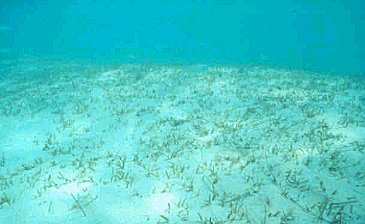
Healthy seagrass beds are the ultimate measure of lagoon restoration success. Seagrass provides food, habitat, and water filtration throughout the estuary.
Septic-to-Sewer Conversion Programs
An estimated 300,000 or more septic systems operate within the Indian River Lagoon watershed, and they are one of the largest sources of nitrogen pollution entering the estuary. Many of these systems are decades old, located in areas with high water tables or sandy soils that allow effluent to leach into groundwater that feeds the lagoon.
Septic-to-sewer conversion — connecting properties currently served by individual septic systems to centralized wastewater treatment plants with advanced nutrient removal technology — is one of the most effective strategies for reducing nitrogen loading to the lagoon. Modern advanced wastewater treatment plants can reduce nitrogen concentrations in treated effluent to levels far below what any septic system achieves.
Multiple counties along the lagoon are pursuing septic-to-sewer programs. Brevard County's SOIRL program has funded the conversion of thousands of septic systems in priority areas identified through water quality modeling. Indian River, St. Lucie, and Martin counties have also pursued conversion projects, often with support from the Florida Legislature's Indian River Lagoon appropriations.
The challenge is scale and cost. Converting a single property from septic to sewer can cost tens of thousands of dollars, and the lagoon watershed contains hundreds of thousands of systems. Prioritizing conversions in areas where they will have the greatest water quality benefit — close to the lagoon, in areas with poor soils, or in neighborhoods with aging systems — is essential to making the most of limited funding.
Stormwater Treatment and Constructed Wetlands
Before development, rainwater that fell on the Indian River Lagoon watershed percolated through soil and wetlands that naturally filtered nutrients before the water reached the estuary. Today, much of the watershed is covered in impervious surfaces that route stormwater directly into the lagoon through a network of canals, ditches, and pipes.
Indian River Lagoon restoration includes the construction of stormwater treatment areas — engineered wetlands and retention systems designed to capture and treat stormwater before it enters the lagoon. These projects use natural processes, including plant uptake and microbial denitrification, to remove nitrogen and phosphorus from runoff.
The St. Johns River Water Management District has implemented several large-scale stormwater treatment projects in the lagoon watershed. Smaller-scale projects, including neighborhood-level bioswales, rain gardens, and permeable pavement, also contribute to reducing stormwater nutrient loads. The cumulative effect of many small projects can be significant, especially in heavily developed areas close to the lagoon.
Living Shoreline Projects
Traditional shoreline hardening — seawalls, bulkheads, and riprap — protects property from erosion but eliminates the natural habitat at the water's edge that plays a critical role in lagoon health. Living shoreline projects replace or supplement hard infrastructure with natural or nature-based elements, primarily oyster reef restoration and mangrove planting.
Oyster reefs are powerful natural water filters. A single adult oyster can filter up to 50 gallons of water per day, removing algae, sediment, and nutrients. Restored oyster reefs along the lagoon's shoreline provide water filtration, wave attenuation, and habitat for fish, crabs, and other organisms. Several organizations, including the IRLNEP and local chapters of conservation groups, have installed oyster reef living shorelines at sites throughout the lagoon.
Mangrove planting is another essential component of living shoreline restoration. The three mangrove species found on the Treasure Coast — red mangrove, black mangrove, and white mangrove — stabilize shorelines, trap sediment, filter pollutants, and provide critical nursery habitat for juvenile fish and invertebrates. Restoring mangrove coverage along degraded shorelines is a high-priority element of Indian River Lagoon restoration. Learn more about these vital trees in our habitats section.
Seagrass Replanting Initiatives
Seagrass is the foundation of the Indian River Lagoon ecosystem. Seagrass beds provide food for manatees and sea turtles, nursery habitat for fish and invertebrates, stabilization of bottom sediments, and natural water filtration. The lagoon lost an estimated 58 percent of its seagrass coverage between 2011 and 2019, and restoring these beds is the ultimate measure of restoration success.
Seagrass restoration is not as simple as planting new grass. Seagrass requires clear water and adequate light to photosynthesize, which means that water quality must improve before replanting can succeed. In areas where muck removal and nutrient reduction have improved conditions, pilot seagrass planting projects have shown promising results.
Researchers at Harbor Branch Oceanographic Institute, the Smithsonian Marine Station at Fort Pierce, and other institutions have developed techniques for propagating and transplanting seagrass species native to the Indian River Lagoon, including shoal grass (Halodule wrightii), manatee grass (Syringodium filiforme), and turtle grass (Thalassia testudinum). These efforts are small-scale compared to the magnitude of seagrass loss, but they provide proof of concept and help reestablish seed sources for natural recolonization.
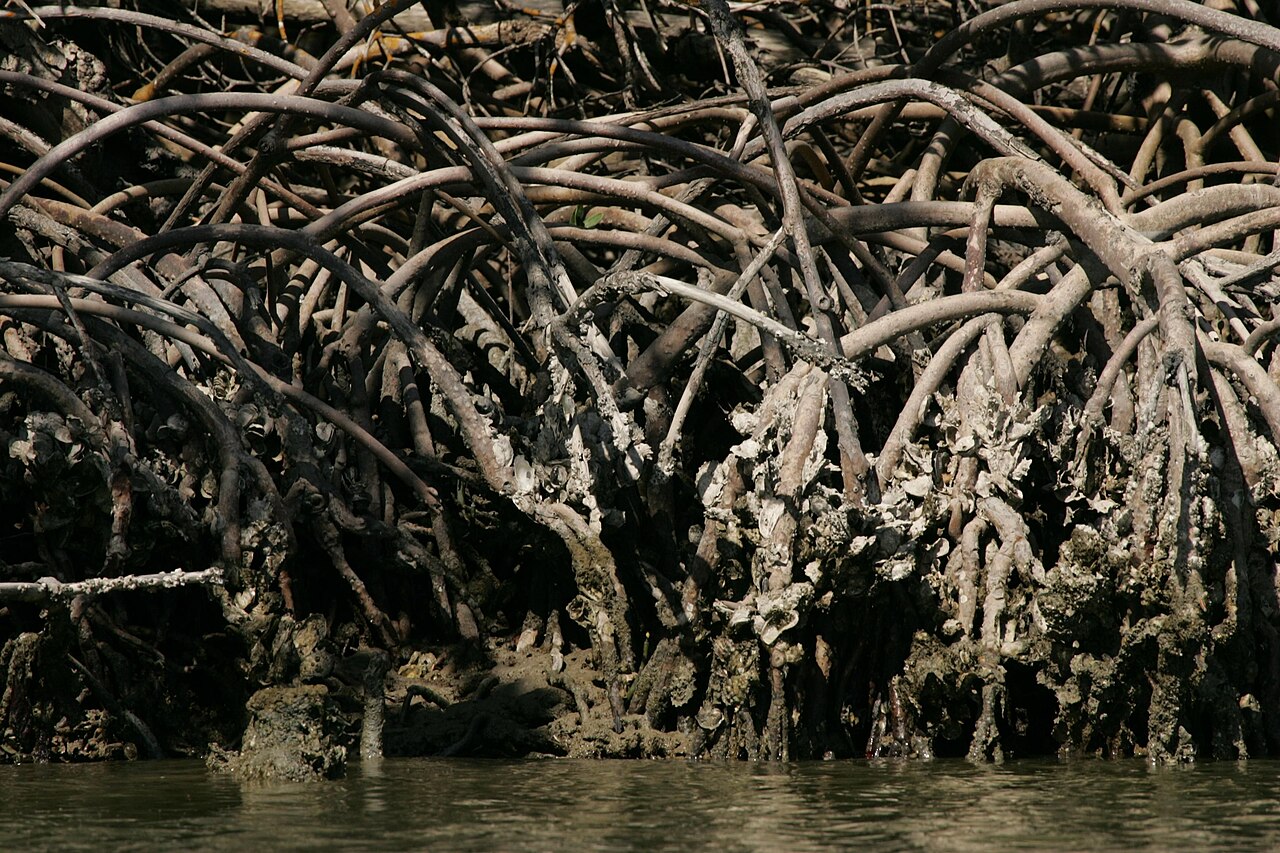
Mangrove restoration along lagoon shorelines provides natural filtration, wave protection, and critical habitat for juvenile marine species.
Water Quality Monitoring and Citizen Science
Effective Indian River Lagoon restoration depends on accurate, ongoing water quality data. Multiple agencies monitor the lagoon's health, including the St. Johns River Water Management District, the South Florida Water Management District, the IRLNEP, and county environmental departments. These agencies collect data on dissolved oxygen, nutrient concentrations, chlorophyll (a measure of algal abundance), water clarity, salinity, and other parameters at dozens of stations throughout the lagoon.
Citizen science programs have become an increasingly important part of the monitoring network. Organizations like the Marine Resources Council and the Florida Oceanographic Society train volunteers to collect water samples, measure water quality parameters, and report observations. These programs expand the geographic coverage and frequency of monitoring while also building community engagement with lagoon health.
Federal and State Funding
Indian River Lagoon restoration requires sustained financial investment at every level of government. At the federal level, the lagoon benefits from EPA funding through the National Estuary Program, Army Corps of Engineers project authorizations, and appropriations secured by Florida's congressional delegation. The federal Infrastructure Investment and Jobs Act of 2021 included significant new funding for estuary restoration nationwide.
The State of Florida has directed hundreds of millions of dollars toward Indian River Lagoon restoration through legislative appropriations, the Florida Department of Environmental Protection, and the water management districts. Governor-level support for lagoon funding has varied over the years, but the issue has generally maintained bipartisan support in the Florida Legislature. The economic significance of the lagoon — estimated at $7.6 billion in annual economic activity — makes restoration a matter of economic self-interest as well as environmental stewardship. For more on the lagoon's economic importance to the region, see Treasure Coast Commerce.
Local funding, particularly Brevard County's SOIRL half-cent sales tax, has been transformational. The reliable, dedicated revenue stream has allowed the county to plan and execute large-scale projects that would be impossible with uncertain year-to-year appropriations. Other lagoon-adjacent counties have explored similar local funding mechanisms.
What Still Needs to Be Done
Despite significant progress, Indian River Lagoon restoration remains a generational challenge. The nutrient burden accumulated over decades cannot be reversed in a few years. Key priorities for the years ahead include:
- Accelerating septic-to-sewer conversions in high-priority areas across all lagoon counties, not just Brevard
- Continuing and expanding muck removal to additional impaired segments of the lagoon
- Strengthening fertilizer ordinances and enforcing existing regulations
- Expanding stormwater treatment capacity through both large-scale engineered systems and distributed green infrastructure
- Protecting remaining natural lands in the watershed from development that would increase nutrient loading
- Sustaining long-term monitoring to track restoration progress and adapt strategies as conditions change
- Securing consistent state and federal funding to complement local investment
How Residents Can Participate
Indian River Lagoon restoration is not solely the responsibility of government agencies. Every resident of the Treasure Coast can contribute to the lagoon's recovery. Practical steps include:
- Maintaining your septic system properly — pump it every three to five years and have it inspected regularly
- Following local fertilizer ordinances and avoiding fertilizer application during the summer rainy season
- Planting native, drought-tolerant landscaping that requires less fertilizer and irrigation
- Supporting local conservation ballot measures and funding initiatives
- Volunteering with citizen science water quality monitoring programs
- Participating in shoreline cleanups and mangrove planting events
- Staying informed about lagoon health through the IRLNEP and local news coverage
The Indian River Lagoon took decades to degrade to its current condition, and its restoration will take decades more. But the work is underway, the science is sound, and the commitment of Treasure Coast communities to saving their lagoon is real. Every acre of muck removed, every septic system converted, and every oyster reef planted brings the lagoon one step closer to recovery.
Frequently Asked Questions About Indian River Lagoon Restoration
What is the biggest threat to the Indian River Lagoon?
Nutrient pollution — primarily nitrogen and phosphorus from septic systems, fertilizer runoff, stormwater, and legacy muck on the lagoon floor — is the primary driver of the lagoon's decline. These nutrients fuel harmful algal blooms that block sunlight, kill seagrass, and disrupt the entire food web.
What is the Save Our Indian River Lagoon (SOIRL) program?
SOIRL is a Brevard County program funded by a half-cent sales tax approved by voters in 2016. It generates roughly $50 million per year for Indian River Lagoon restoration projects, including muck removal, septic-to-sewer conversions, and stormwater treatment upgrades. Projects are selected through a science-based process that prioritizes the greatest nutrient reduction per dollar spent.
How long will Indian River Lagoon restoration take?
Full restoration of the Indian River Lagoon is a multi-decade effort. The lagoon accumulated its nutrient burden over 50 or more years, and reversing that damage requires sustained investment in nutrient reduction, muck removal, and habitat restoration. Scientists expect measurable improvements in water quality and seagrass coverage as projects are completed, but restoring the lagoon to its historical health will take a generation or more of sustained effort.
Is seagrass coming back to the Indian River Lagoon?
In some areas where water quality has improved — particularly where muck has been removed — seagrass has begun to recover naturally. Pilot replanting projects have also shown success in suitable areas. However, lagoon-wide seagrass recovery depends on continued improvement in water clarity, which requires ongoing nutrient reduction efforts across the entire watershed.
How can I help restore the Indian River Lagoon?
Residents can help by maintaining septic systems, following fertilizer ordinances, planting native landscaping, supporting conservation funding measures, volunteering with citizen science monitoring programs, and participating in shoreline cleanup and restoration events. Staying informed and advocating for continued public investment in lagoon restoration also makes a difference.