Few threats to the Indian River Lagoon are as visible or as devastating as algal blooms. These explosive growths of microscopic algae can turn the lagoon's waters opaque brown, green, or even thick as paint, blocking sunlight from reaching the seagrass beds below and setting off a chain of ecological consequences that ripple through the entire estuary. Understanding Indian River Lagoon algal blooms — what triggers them, what they destroy, and what can stop them — is central to the fight to save this irreplaceable waterway.
What Are Harmful Algal Blooms (HABs)?
A harmful algal bloom (HAB) occurs when colonies of algae — microscopic organisms that live in water — grow out of control and produce toxic or otherwise harmful effects on people, fish, shellfish, marine mammals, and birds. Not all algal blooms are harmful; algae are a natural part of aquatic ecosystems. But when excessive nutrients, warm temperatures, and calm waters combine, algal populations can explode to concentrations that smother habitat, deplete dissolved oxygen, and release dangerous toxins. The Florida Department of Environmental Protection (FDEP) and the Florida Fish and Wildlife Conservation Commission (FWC) maintain monitoring programs for HABs across the state.
How Algal Blooms Form
Algae are photosynthetic organisms found in virtually every body of water on Earth. In healthy estuaries like the Indian River Lagoon, algae exist in balance with other organisms — they are consumed by zooplankton, filtered by oysters and clams, and kept in check by limited nutrients. But when that balance is disrupted, algal populations can double in a matter of hours.
The key ingredients for an algal bloom are nutrients, light, and warm water. Nitrogen and phosphorus are the primary nutrients that fuel algal growth. When these nutrients enter the lagoon in excessive quantities — through stormwater runoff, septic system leachate, fertilizer, and the resuspension of nutrient-rich bottom sediments — they create ideal conditions for algal blooms in the Indian River Lagoon. Florida's warm subtropical climate and the lagoon's shallow, slow-moving waters provide the remaining conditions for explosive growth.
Once a bloom establishes, it creates a feedback loop. The dense algal mat blocks sunlight from reaching submerged vegetation, killing seagrass. As seagrass dies and decays, it releases additional nutrients back into the water column, further feeding the bloom. When the algae themselves die, their decomposition consumes dissolved oxygen, creating hypoxic or anoxic conditions that suffocate fish and bottom-dwelling organisms.
Types of Harmful Algal Blooms in the IRL
The Indian River Lagoon has experienced several distinct types of algal blooms, each with different characteristics and impacts.
Brown Tide (Aureoumbra lagunensis)
The brown tide organism Aureoumbra lagunensis was first identified in the Laguna Madre of Texas in the 1990s. It produces a characteristic dark brown discoloration of the water. Brown tide cells are extremely small — only about two to five micrometers in diameter — and can reach concentrations of billions of cells per liter. While brown tide does not produce toxins directly harmful to humans, its extreme density blocks virtually all sunlight from penetrating the water column. This was the dominant bloom type during the catastrophic 2011 superbloom in the northern Indian River Lagoon.
Blue-Green Algae (Cyanobacteria)
Cyanobacteria, commonly called blue-green algae, are among the oldest organisms on Earth. Several species of cyanobacteria produce potent toxins known as cyanotoxins, including microcystins, which can cause liver damage in animals and humans. Cyanobacteria blooms in the Indian River Lagoon tend to occur in areas with lower salinity and are often associated with freshwater inflows from canals and stormwater outfalls. These blooms can form thick, paint-like surface scums that are particularly harmful to wildlife and make waterways unsafe for recreation.
Drift Algae
While not technically a phytoplankton bloom, drift algae — large mats of macroalgae that detach from the bottom and float through the lagoon — have become an increasing problem. Species such as Gracilaria and Chaetomorpha thrive in nutrient-rich conditions. These mats can smother seagrass beds, clog waterways, and create dead zones as they decompose. Drift algae events in the Indian River Lagoon have become more frequent and more severe as nutrient loading has increased.
The 2011 Superbloom
The event that fundamentally changed public awareness of Indian River Lagoon algal blooms was the superbloom of 2011. Beginning in the spring of that year, an unprecedented bloom of brown tide and other phytoplankton species engulfed the northern reaches of the lagoon, primarily in Brevard County's Banana River and the central Indian River.
The bloom persisted for months, reducing water clarity to near zero in some areas. Secchi disk readings — a standard measure of water clarity — dropped to just a few inches in locations that had previously been clear enough to see the bottom at three or four feet. The consequences were catastrophic. Scientists at the St. Johns River Water Management District (SJRWMD) documented massive seagrass die-offs across tens of thousands of acres. Without seagrass, the lagoon lost its primary mechanism for stabilizing sediments, filtering water, and providing habitat and food for wildlife.
The seagrass losses cascaded through the food web. Manatees, which depend on seagrass as their primary food source, began showing signs of starvation. Fish populations declined. Wading birds lost foraging habitat. The 2011 superbloom was a turning point — the moment the Indian River Lagoon's decades of slow decline became an acute, visible crisis.
Recurring Blooms Since 2011
The 2011 superbloom was not a one-time event. Indian River Lagoon algal blooms have returned in various forms and intensities in subsequent years. Significant bloom events occurred in 2012, 2016, and 2018, each causing additional seagrass loss and wildlife mortality. The lagoon lost an estimated 58 percent of its seagrass coverage between 2011 and 2019, according to monitoring data from the St. Johns River Water Management District.
Each bloom event compounds the damage from previous ones. Seagrass recovery is slow — even under ideal conditions, it can take years for beds to reestablish. When blooms recur before recovery is complete, the cumulative impact is devastating. The loss of seagrass also destabilizes the fine organic sediment (muck) on the lagoon floor, making it easier for wind and wave action to resuspend nutrients and trigger new blooms.
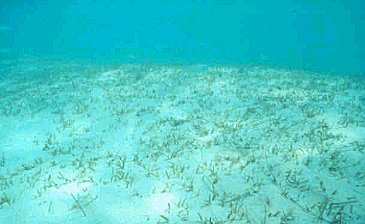
Healthy seagrass meadows like this one are critical to the lagoon's ecosystem. Algal blooms block the sunlight seagrass needs to survive.
Nutrient Loading: The Root Cause
Indian River Lagoon algal blooms are ultimately driven by excessive nutrient loading — the flow of nitrogen and phosphorus into the lagoon from human sources. The lagoon's watershed has undergone dramatic transformation over the past century. Wetlands that once filtered water naturally have been drained for agriculture and development. Impervious surfaces like roads, parking lots, and rooftops channel stormwater directly into the lagoon without natural filtration.
The primary sources of nutrient pollution in the Indian River Lagoon include:
- Septic systems: An estimated 300,000 or more septic systems operate within the Indian River Lagoon watershed. Many are aging, poorly maintained, or located in areas with high water tables where effluent can leach directly into groundwater that feeds the lagoon. Septic systems are a major source of nitrogen.
- Fertilizer runoff: Residential lawn fertilizer and agricultural fertilizer wash into stormwater systems and eventually into the lagoon. Florida's warm climate encourages year-round fertilizer application, compounding the problem.
- Stormwater runoff: Urban and suburban stormwater carries a cocktail of nutrients, sediment, and pollutants into the lagoon through an extensive network of canals, ditches, and outfalls.
- Legacy muck: Decades of nutrient-laden sediment have accumulated on the lagoon floor as fine organic muck — in some areas, several feet thick. This muck acts as an internal nutrient source, continuously releasing nitrogen and phosphorus back into the water column even if external inputs are reduced. The Florida Department of Environmental Protection has identified muck removal as a priority for lagoon recovery.
Impacts on the Lagoon Ecosystem
The ecological impacts of Indian River Lagoon algal blooms extend far beyond discolored water. When blooms block sunlight, seagrass dies. When seagrass dies, the animals that depend on it suffer.
Florida manatees are among the most visible victims. The Indian River Lagoon supports roughly 40 percent of Florida's east coast manatee population. Manatees consume 60 to 100 pounds of seagrass per day, and the loss of seagrass beds has contributed to manatee starvation events, particularly the unprecedented mortality event that began in 2021 when hundreds of manatees died along the Atlantic coast.
Fish kills are a frequent consequence of algal blooms. As blooms die and decompose, the bacterial decomposition process consumes dissolved oxygen, creating hypoxic dead zones. Fish, crabs, shrimp, and other organisms that cannot escape these zones suffocate. Major fish kill events have occurred repeatedly in the Indian River Lagoon during and after bloom episodes.
Bottlenose dolphins, which are top predators in the lagoon, face indirect effects from algal blooms through prey reduction and potential toxin exposure. Wading birds and shorebirds lose foraging habitat when water clarity drops and fish populations decline. The entire food web is affected.
Economic Impacts
The Indian River Lagoon generates an estimated $7.6 billion in annual economic activity, according to studies conducted for the Indian River Lagoon National Estuary Program. Commercial fishing, recreational fishing, boating, ecotourism, and waterfront property values all depend on a healthy lagoon. Algal blooms threaten every one of these economic sectors.
When blooms occur, fishing guides cancel trips. Kayak and paddleboard outfitters see business drop. Waterfront restaurants lose customers. Property values along degraded stretches of the lagoon suffer. The cumulative economic cost of algal blooms in the Indian River Lagoon runs into the hundreds of millions of dollars — costs borne by local businesses, property owners, and the communities that depend on the lagoon's health. For more on the economic significance of the lagoon to the region, see Treasure Coast Commerce.
Prevention and Mitigation
Stopping Indian River Lagoon algal blooms requires addressing the nutrient pollution that fuels them. There is no quick fix — the lagoon accumulated its nutrient burden over decades, and reversing it will take sustained effort and investment. The most important strategies include:
Muck Removal
Dredging the nutrient-rich muck from the lagoon floor removes the internal nutrient source that perpetuates blooms even when external loading is reduced. Brevard County's Save Our Indian River Lagoon program has funded muck removal projects that have already dredged millions of cubic yards of sediment from priority areas. Learn more about this effort in our lagoon restoration guide.
Septic-to-Sewer Conversions
Converting properties from septic systems to centralized wastewater treatment with advanced nutrient removal is one of the most effective long-term strategies for reducing nitrogen loading to the lagoon. Multiple counties along the Indian River Lagoon are pursuing septic-to-sewer conversion programs, though the cost and scale of the effort remain significant challenges.
Stormwater Treatment
Constructed wetlands, stormwater treatment areas, and improved best management practices for stormwater can reduce the nutrient load carried by runoff before it reaches the lagoon. These projects require land and investment but provide measurable reductions in nitrogen and phosphorus loading.
Fertilizer Ordinances
Several Treasure Coast municipalities have adopted fertilizer ordinances that restrict the application of nitrogen and phosphorus fertilizers during the summer rainy season, when runoff is highest. These ordinances are an important piece of the overall nutrient reduction strategy.
Weather patterns also play a role in bloom formation. Heavy rainfall events increase stormwater flow and nutrient loading, while extended warm periods promote algal growth. For current conditions that may influence bloom risk, St. Lucie Weather provides regional weather coverage for the Treasure Coast.
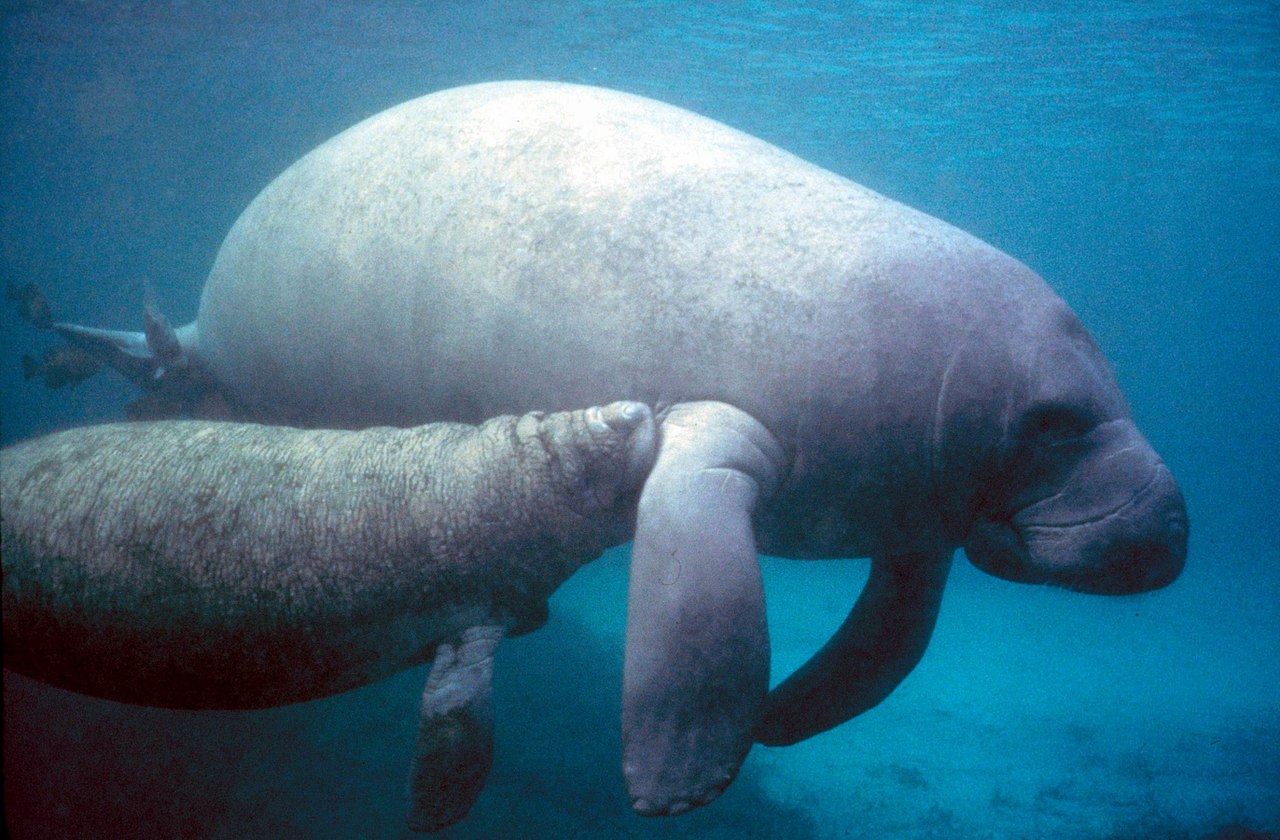
Manatees depend on seagrass beds that algal blooms destroy. The loss of seagrass has contributed to manatee starvation events along the Treasure Coast.
The Path Forward
Indian River Lagoon algal blooms are not inevitable. They are the result of decades of human-caused nutrient pollution, and they can be reduced through deliberate, sustained action. The science is clear on what needs to happen: reduce nutrient inputs from septic systems, stormwater, and fertilizer; remove legacy muck from the lagoon floor; restore natural filtration through wetlands, mangroves, and oyster reefs; and protect and restore seagrass habitat.
The work is underway, but it requires continued public investment and political will. Every resident of the Treasure Coast has a role to play — from supporting local conservation funding measures to reducing personal fertilizer use to participating in lagoon monitoring and cleanup efforts.
Frequently Asked Questions About Indian River Lagoon Algal Blooms
What causes algal blooms in the Indian River Lagoon?
Indian River Lagoon algal blooms are primarily caused by excessive nitrogen and phosphorus entering the water from septic systems, fertilizer runoff, stormwater discharge, and the resuspension of nutrient-rich muck on the lagoon floor. These nutrients fuel rapid algal growth, especially during warm months with calm water conditions.
Are Indian River Lagoon algal blooms dangerous to humans?
Some algal blooms in the Indian River Lagoon involve cyanobacteria (blue-green algae) that produce toxins called cyanotoxins. These toxins can cause skin irritation, respiratory issues, and gastrointestinal illness in humans who come into contact with or ingest contaminated water. The FWC and FDEP issue public health advisories when toxin levels are elevated. Brown tide blooms, while ecologically devastating, are not directly toxic to humans.
What was the 2011 superbloom?
The 2011 superbloom was an unprecedented algal bloom event in the northern Indian River Lagoon, primarily affecting Brevard County. A massive bloom of brown tide and other phytoplankton reduced water clarity to near zero for months, killing tens of thousands of acres of seagrass and triggering a cascade of ecological damage that the lagoon is still recovering from.
How do algal blooms affect manatees?
Algal blooms kill seagrass by blocking sunlight. Manatees depend on seagrass as their primary food source, consuming 60 to 100 pounds per day. The massive seagrass die-offs caused by recurring algal blooms in the Indian River Lagoon have contributed to manatee malnutrition and starvation, including the unprecedented mortality event that began in 2021.
What is being done to prevent algal blooms in the Indian River Lagoon?
Multiple strategies are being pursued, including muck dredging to remove nutrient-laden sediment, septic-to-sewer conversion programs to reduce nitrogen inputs, stormwater treatment projects, fertilizer ordinances, and comprehensive lagoon restoration programs. These efforts are funded by a combination of local, state, and federal sources, including Brevard County's half-cent sales tax dedicated to lagoon restoration.